
Squishy toys warning: What you need to know about the latest toy trend
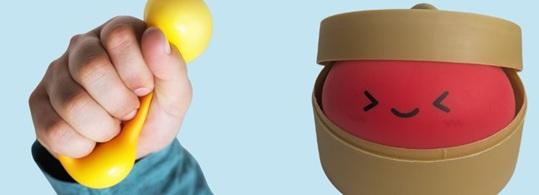
Does your child love squishy toys? They’re the latest collectable craze – with unboxing videos gaining millions of views. But they could be dangerous.
These are the two main worries:
- Burns – all squishy toys
- Harmful chemicals – copycat squishies
Here’s what you need to know about the latest toy trend.
Burns
There’s a worrying online trend involving heating squishy toys in the microwave, resulting in devastating burns.
Social media clips show squishy toys being warmed up to make them even more malleable.
But, when a squishy toy is microwaved, the gel superheats. When squeezed, it can burst and spray scalding hot, sticky gel across a child’s face, hands and chest, causing severe burns. A child may be left with life-changing scars.
While the legal branded toys are safe to use as intended, they were never designed to cope with being microwaved. Please talk to children about the dangers of copying hacks they see online.
Harmful chemicals in fake squishy toys
There are strict UK toy safety standards. Reputable manufacturers invest in making safe toys. Reputable retailers commit to selling safe toys. But because squishy toys are so popular, you’ll find copycats everywhere. And not all of them meet UK safety requirements.
Recalls
The Office for Product Safety and Standards (OPSS) has issued a recall for Squeezy Dumplings, due to a serious chemical risk.
Testing found the outer layer contains excessive levels of benzene.
Immediate effects include skin rashes and eye, nose and throat irritation. As benzene is a carcinogen, prolonged exposure increases the risk of cancer.
If you have a Squeezy Dumpling, please take it away from your child straight away.
Why have some been recalled but not others?
Trading standards teams are seizing copycat squishy toys at the ports and from local shops and sending them for testing in laboratories.
But testing takes time. And trading standards teams can’t be everywhere.
We expect that, as test results come back, more items will be recalled. So please keep checking gov.uk for updates.
How can you tell which ones are dangerous?
With so many different versions available, how can you tell which ones are safe?
1. Bought from a reputable retailer
If you buy a known brand from a reputable retailer, they should have been tested for safety.
Members of the Toy Retailers Association, which includes the big toy store chains and many small independent toy shops, commit to only selling products that comply with UK toy safety standards. This means they work with reputable manufacturers and importers.
Meanwhile, if you buy a copycat from a seller on an online marketplace, or from a corner shop or cash and carry that’s bought from an online marketplace, there’s no way of knowing if it’s safe or not.
2. Labelling
Labelling gives you another clue. The toy’s packaging should have the following information:
UKCA/CE Mark: The official conformity mark showing the toy is declared safe.
Manufacturer details: The name and address of the UK manufacturer or UK importer. This is particularly important because, without it, there’s no one to hold accountable if safety concerns arise.
Traceability code: A type, batch, serial, or model number so the toy can be easily identified and traced.
Warnings and safety information: Clear warnings about potential hazards (e.g., choking hazards, small parts).
Age restrictions: If applicable, the appropriate age range must be clearly marked (e.g., “Not suitable for children under 36 months”).
I no longer have the packaging, how do I know if it’s safe?
It’s not possible to tell whether a squishy toy is safe just by looking at it.
Try to remember where you bought it. Was it from a reputable retailer?
If you got it online, you may be able to check your order details.
You can also check the toy itself for a brand name, manufacturer, batch code, or other markings. These can help you identify the product and look it up.
If the toy is damaged, leaking or smells unusual, stop using it.
If you’re not sure where it came from, you may want to err on the side of caution and dispose of it anyway.
Is price an indicator of safety?
Reputable toy stores and manufacturers invest in safety, and this can be reflected in the price.
But nowadays some dangerous copies are almost as expensive as the original. And these fakes will simply be making more money for the sellers. The toy’s price won’t reflect an investment in its safety.
My child has already played with it. Will they get ill?
If children continue to play with toys with illegal levels of chemicals, the risk of it affecting their health in the future certainly increases.
But, to reassure you, generally it takes prolonged exposure to high levels of a dangerous chemical like benzene to cause cancer.
Are all squishy dumplings dangerous?
No. Not every squishy dumpling toy is unsafe. But the problem is, if no one has invested the time and money in checking it’s safe, you can’t know if it’s safe or not.
Quality and safety testing can vary considerably around the world. Please don’t assume that all versions are made to the same standard.
That’s particularly true if you bought the toy from an unknown seller on an online marketplace or from a corner shop or cash and carry that bought its toys from an online marketplace.
Are there any other safety concerns to be aware of?
Some versions of squishy toys have been found to contain water beads, which are not safe for young children. If swallowed they can expand in the belly and block the bowel. Learn more about the dangers of water beads.
Since the start of the year, many sand-filled stretchy toys have been recalled as they may contain trace levels of asbestos. Learn more about products containing asbestos or check the list of recalled items here.
Katrina Phillips, Chief Executive of the Child Accident Prevention Trust, said:
“It’s worrying to see so many potentially dangerous toys on sale. As a parent you shouldn’t have to be an expert in product safety to keep your children safe. You shouldn’t need to scrutinise labels or check for recalls. You should simply be able to buy a toy and trust that it’s safe.”
“That’s why a change in the law can’t come fast enough. Companies who are not investing in safety should not be able to profit from UK consumers and undercut reputable businesses who take safety seriously.”
5 top tips for buying safe toys
Sadly, it’s not just squishy toys. Many other cheap toys have not been safety tested.
From super-strong magnets that can rip through your child’s belly, to easy-access button batteries that can kill your child if swallowed, to dangerous electrical goods that can start fires in your home, these toys can be deadly.
So please take care when buying toys from a corner shop, a cash and carry or a seller on an online platform. There might be dangerous products that haven’t been safety checked.
- Buy toys from brand names you know. If you’ve never heard of the seller, the toy could be dangerous.
- Be really careful when buying for under 3s as they’re most at risk from dangerous toys.
- Watch out for cheap copies of popular toys. They may not be made to UK safety standards.
- Check if the toy has been removed from sale because it’s unsafe. Visit gov.uk for a list of recalled products.
- If you buy something that looks unsafe, trust your instincts and send it back.